Read Even more By-Zhang Kessler
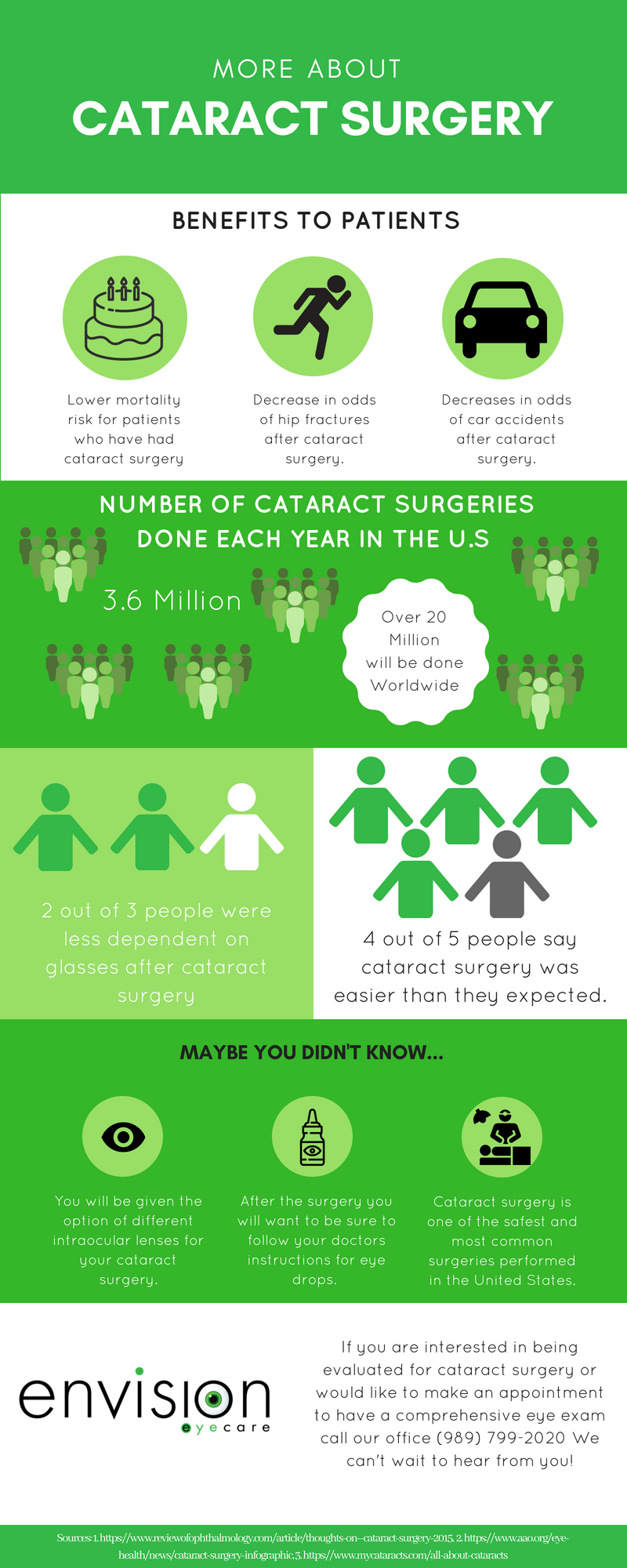
You could believe cataracts can return after surgery, but that's not quite the case. The cloudy lens is changed with a clear fabricated one, eliminating the initial issue. Nevertheless, some individuals notice acquainted signs in the future. What could be creating this? Understanding the nuances of your vision after surgery is critical. Let's explore why these adjustments take place and what you can do concerning them.
What Takes place to Your Vision After Cataract Surgical Treatment?
After cataract surgical procedure, you might discover substantial improvements in your vision, as the cloudy lens is replaced with a clear man-made one. Numerous patients experience boosted quality and illumination, making colors appear more lively. You may find reading easier and take pleasure in much better night vision.
Nonetheless, it's regular to have some variations in your vision throughout the recovery process. You could discover some blurriness or discomfort initially, but these symptoms usually improve gradually. Follow your surgeon's post-operative care directions to guarantee optimum recuperation.
Your eye might take a few weeks to completely adjust, so be patient. In general, you can anticipate a favorable improvement in your vision, boosting your daily activities and total quality of life.
Why Do Some Clients Experience Cataract Signs And Symptoms Once More?
While cataract surgical treatment commonly brings about remarkable vision renovation, some clients locate themselves experiencing cataract symptoms once more over time. This can take place because of a problem called posterior pill opacification (PCO), where the slim membrane layer holding the lens ends up being cloudy.
It's not a recurrence of cataracts but a common negative effects of surgery. You could observe obscured vision, glare, or problem seeing in reduced light as PCO establishes.
An additional aspect can be age-related changes in the eye, which could impact your vision also after surgery. If you start to notice these symptoms, it's vital to consult your ophthalmologist.
They can perform a basic outpatient procedure to get rid of the gloomy membrane and restore your vision.
Just How to Take Care Of Changes in Vision Post-Surgery?
Experiencing changes in vision after cataract surgical treatment can be irritating, particularly if you have actually previously delighted in clear view. To manage these modifications, begin by going to all follow-up appointments. Your optometrist can monitor your progression and deal with any type of problems.
If you're managing glow or halos, think about utilizing sunglasses with a polarizing lens to reduce discomfort.
Keeping a healthy lifestyle can additionally aid; consume nutrient-rich foods and stay hydrated. If https://drive.google.com/drive/folders/1Cpksn3NCObq6MgyfNZhrIwn1TVSMe6S5?usp=drive_link discover persistent blurriness, do not hesitate to connect to your doctor. They could suggest brand-new glasses or various other restorative procedures.
Last but not least, endure on your own; it might require time for your vision to maintain. Trust the procedure and communicate honestly with your medical care team for the very best end results.
Final thought
In summary, while cataracts themselves won't return after surgical procedure, you may come across similar signs because of posterior pill opacification (PCO). Staying vigilant with regular eye examinations is vital to catch any adjustments in your vision early. If you observe blurred vision or glow, do not hesitate to reach out to your ophthalmologist. With prompt therapy, you can keep clear vision and enjoy life without the cloudiness that once affected your view.